Social Bookmark and Network Backlinks Campaign Guide

How to Build a Second Tier Around Existing GSA SER Verified Links

A second-tier GSA Search Engine Ranker project can use the verified URLs of another project as its link destinations. This creates a simple hierarchy: the original campaign builds the first set of backlinks, while the Tier 2 campaign strengthens those live URLs instead of targeting the main site directly.

Start with the verified set

The verified list is the bridge between the two projects. When the source project confirms a backlink, that URL becomes eligible for the second tier. This approach is more efficient than manually exporting and importing URLs every time the first project produces new placements.

Because the target pool changes over time, the Tier 2 campaign can continue discovering fresh parent URLs as they are verified. Re-verification and cleanup in the source project also matter because lower tiers are more useful when they point to pages that are still accessible.

Mix contextual and social sources

Tier 2 does not need to copy the exact platform mix of the parent campaign. Articles, forums, wikis, social bookmarks and social networks can be combined to create a broader support layer. Contextual placements provide room for descriptive text, while social platforms can add shorter references and URL-focused mentions.

Use varied content instead of one repeated template

Titles can rotate between backlink reinforcement, tiered SEO, contextual link building, social discovery and campaign management. Article bodies can explain different parts of the workflow, such as verification, platform diversity, target selection, anchor variation, indexing or maintenance. This produces a more useful content pool than repeating the same promotional copy.

The second tier should remain operationally independent. Email accounts, proxy rules, captcha handling, verification intervals and site-list settings can stay consistent with a proven project, while the target source, platform selection and content are adapted specifically for tiered link building.

Measure the tier by live placements

Submission volume alone does not show whether the campaign is working. Verified URLs, unique domains, platform diversity and link survival provide a clearer picture. A smaller set of live second-tier FirstSEO Links can be more useful than a large queue of unverified submissions.

GSA SER Setup Services for Agencies

GSA SER Tiered Link Building: Building Tier 2 and Tier 3 Campaigns

Tiered link building is one of the common ways SEO specialists use GSA Search Engine Ranker. Practical gsa search engine ranker training can help users understand how to organize Tier 2 and Tier 3 projects, prepare target URLs, configure engines and filters, and monitor automated campaigns without treating every backlink as part of the same workflow.

What Is Tiered Link Building?

A tiered link-building structure separates links into different layers instead of directing every campaign toward the primary website.

Selected backlinks can become targets for another campaign, while additional supporting projects can work with URLs from the previous layer.

A simplified structure may look like this:

Website → Selected Backlinks → Tier 2 Links → Additional Supporting Links

The actual structure can be adjusted according to the website, niche, resources and campaign objectives.

Why Use GSA SER for Supporting Tiers?

Building large numbers of supporting links manually can require considerable time when a campaign contains many target URLs.

GSA Search Engine Ranker allows different projects to operate with separate engines, target lists, filters, anchor distributions and verification settings.

This makes it possible to build different workflows for different parts of the link structure.

Preparing URLs for Tier 2

A Tier 2 campaign needs a clearly defined collection of target URLs.

Instead of importing every available backlink without review, URLs can be collected and organized before they are added to the project.

Clean the Target List

Removing duplicates and obviously invalid targets can reduce unnecessary processing. Targets can also be separated according to platform or another useful classification.

A cleaner list makes campaign results easier to analyze later.

Building a Tier 2 Project

Create a dedicated GSA SER project for the Tier 2 targets instead of mixing them with unrelated URLs.

The project can then receive its own engine selection, filters, anchor configuration and verification rules.

Select Appropriate Engines

The platforms used for a supporting campaign do not necessarily need to be identical to those used elsewhere in the link structure.

Engine selection should reflect the type of targets being processed and the objectives of the campaign.

Configure Filters

Filters can help prevent the project from spending resources on unsuitable targets. However, excessive filtering may also reduce the number of URLs the software can process.

Filtering rules should therefore be tested and adjusted based on actual campaign results.

Building Tier 3 Campaigns

An additional supporting tier can be created when the campaign strategy requires it.

Tier 3 projects should also have clearly defined input URLs and their own configuration. Simply duplicating a Tier 2 project without considering the new targets can make the structure difficult to control.

Manage Target Lists

List management becomes increasingly important when multiple GSA SER projects operate simultaneously.

Targets can be organized according to platform, project, verification status or other useful criteria.

Maintaining separate lists also makes it easier to reuse successful target sources in future campaigns.

Proxy Management for Tiered Campaigns

Multiple automated projects can create additional demand for proxy resources.

Proxies should be tested regularly and poor-performing addresses removed. Monitoring proxy quality helps prevent network problems from being mistaken for problems with engines or project settings.

Email Resources

Projects that depend on account registration may also require sufficient email resources.

Email accounts should be monitored for authentication problems, blocked logins and verification failures. A campaign cannot complete some registration processes if confirmation emails cannot be accessed.

Use Different Settings for Different Tiers

One configuration does not need to control every layer of the campaign.

A Tier 2 project may require different engines and filters from a Tier 3 project. Anchor strategies and submission settings can also vary depending on the target URLs.

This flexibility is one of the main advantages of keeping tiered projects separate.

Monitor Verified Links

Submission numbers alone do not provide a complete picture of campaign performance.

Verified links can provide additional information about which targets and platforms are producing usable results.

Over time, this data can help improve target lists, remove poor sources and adjust project settings.

Avoid Blind Automation

The main advantage of GSA Search Engine Ranker is automation, but automation should still operate inside a defined structure.

Projects should have a purpose. Lists should be organized. Filters should have a reason to exist. Proxies and emails should be monitored, and campaign results should be reviewed.

Build a Practical GSA SER Strategy

There is no universal Tier 2 or Tier 3 configuration that works for every website and SEO campaign.

The appropriate structure depends on the targets, niche, available resources and overall link-building strategy.

Understanding how projects, lists, filters, proxies, engines, anchors and verification work together makes GSA SER campaigns easier to test, maintain and improve over time.

GSA SER Training for Link Builders

GSA SER Training: Learn Search Engine Ranker with a Practical Workflow

GSA Search Engine Ranker is a powerful SEO automation tool, but installing the software is only the beginning. Professional gsa search engine ranker services can help you understand project configuration, target lists, filters, proxies, email accounts, platform selection and tiered link building instead of relying on random settings copied from old tutorials.

Understanding the GSA SER Workflow

A GSA SER campaign involves much more than adding a website and clicking Start. Before launching a project, you should understand what type of links you want to build, which platforms should be used, where your target URLs come from and how successful links will be verified.

A practical GSA Search Engine Ranker workflow usually includes project creation, engine selection, target list preparation, filtering, proxy configuration, email setup, anchor distribution and link verification.

Project Creation and Configuration

Every GSA SER project should have a specific purpose. A campaign designed to process a verified target list may require different settings from a project created for Tier 2 or Tier 3 link building.

Understanding the purpose of a project before configuring it makes the remaining settings much easier to manage.

Why Target Lists Matter

Target lists are an important part of automated link building. Instead of sending every project against the same collection of URLs, lists can be organized according to platform, campaign purpose or verification status.

Lists can also be cleaned before they are imported. Removing duplicates and unusable targets reduces unnecessary processing and makes campaign results easier to analyze.

Verified and Identified Lists

GSA SER users often maintain different types of lists. Identified targets can be processed and tested, while successfully completed targets can later become part of a verified collection.

Organizing these resources makes it possible to reuse useful targets in future projects without starting the discovery process from zero every time.

Filters and Platform Selection

GSA Search Engine Ranker supports many engines and platforms, but enabling everything is not always the best strategy.

Campaign settings should depend on the purpose of the project. Different tiers and target types can use different engines, filters and submission rules.

Using Filters Correctly

Filters help determine which targets should be accepted or rejected. Extremely restrictive filters can eliminate potentially useful targets, while weak filtering can waste resources processing irrelevant pages.

The goal is to build filtering rules around the campaign rather than blindly enabling every available option.

Proxy Configuration

Proxies are an important resource when operating automated SEO campaigns. Poor proxy performance can slow down submissions, searches and verification tasks.

Proxies should therefore be tested regularly. Dead or extremely slow proxies should be removed or replaced so they do not reduce the efficiency of the complete workflow.

Email Setup and Verification

Many platforms require registration and email confirmation before a link can be created successfully. Email accounts therefore need to be configured correctly and monitored for authentication or connectivity problems.

Failed email logins or blocked accounts can significantly reduce successful registrations even when the rest of the project configuration is correct.

Anchor Text Distribution

Anchor distribution should be planned as part of the campaign instead of being treated as a random setting.

Depending on the project, an anchor profile may contain branded terms, URLs, generic phrases and contextual keyword variations. The appropriate distribution depends on the target and the role of the campaign.

Tiered Link Building with GSA SER

GSA Search Engine Ranker is frequently used for supporting tiered link-building structures. Separate projects can target existing backlinks rather than pointing every automated link directly toward the main website.

Tier 2 Campaigns

A Tier 2 project can be configured to work with selected backlink URLs. Engines, filters, anchors and submission settings can be adjusted specifically for these targets.

Tier 3 Campaigns

Additional supporting campaigns can be created when the strategy requires them. These projects should also have clearly defined targets and settings rather than simply duplicating another campaign.

Learn the Settings Instead of Copying Them

There is no universal GSA SER configuration that works perfectly for every website, niche and target list. Different campaigns require different decisions.

Learning how project settings, lists, filters, proxies, emails, engines and tiers interact provides much more value than importing a configuration without understanding it.

A structured workflow makes GSA Search Engine Ranker easier to control, troubleshoot and adapt as your SEO campaigns develop.

GSA Search Engine Ranker Services for Website Promotion

GSA SER Tiered Link Building: Building Tier 2 and Tier 3 Campaigns

Tiered link building is one of the common ways SEO specialists use GSA Search Engine Ranker. Practical gsa ser setup services can help users understand how to organize Tier 2 and Tier 3 projects, prepare target URLs, configure engines and filters, and monitor automated campaigns without treating every backlink as part of the same workflow.

What Is Tiered Link Building?

A tiered link-building structure separates links into different layers instead of directing every campaign toward the primary website.

Selected backlinks can become targets for another campaign, while additional supporting projects can work with URLs from the previous layer.

A simplified structure may look like this:

Website → Selected Backlinks → Tier 2 Links → Additional Supporting Links

The actual structure can be adjusted according to the website, niche, resources and campaign objectives.

Why Use GSA SER for Supporting Tiers?

Building large numbers of supporting links manually can require considerable time when a campaign contains many target URLs.

GSA Search Engine Ranker allows different projects to operate with separate engines, target lists, filters, anchor distributions and verification settings.

This makes it possible to build different workflows for different parts of the link structure.

Preparing URLs for Tier 2

A Tier 2 campaign needs a clearly defined collection of target URLs.

Instead of importing every available backlink without review, URLs can be collected and organized before they are added to the project.

Clean the Target List

Removing duplicates and obviously invalid targets can reduce unnecessary processing. Targets can also be separated according to platform or another useful classification.

A cleaner list makes campaign results easier to analyze later.

Building a Tier 2 Project

Create a dedicated GSA SER project for the Tier 2 targets instead of mixing them with unrelated URLs.

The project can then receive its own engine selection, filters, anchor configuration and verification rules.

Select Appropriate Engines

The platforms used for a supporting campaign do not necessarily need to be identical to those used elsewhere in the link structure.

Engine selection should reflect the type of targets being processed and the objectives of the campaign.

Configure Filters

Filters can help prevent the project from spending resources on unsuitable targets. However, excessive filtering may also reduce the number of URLs the software can process.

Filtering rules should therefore be tested and adjusted based on actual campaign results.

Building Tier 3 Campaigns

An additional supporting tier can be created when the campaign strategy requires it.

Tier 3 projects should also have clearly defined input URLs and their own configuration. Simply duplicating a Tier 2 project without considering the new targets can make the structure difficult to control.

Manage Target Lists

List management becomes increasingly important when multiple GSA SER projects operate simultaneously.

Targets can be organized according to platform, project, verification status or other useful criteria.

Maintaining separate lists also makes it easier to reuse successful target sources in future campaigns.

Proxy Management for Tiered Campaigns

Multiple automated projects can create additional demand for proxy resources.

Proxies should be tested regularly and poor-performing addresses removed. Monitoring proxy quality helps prevent network problems from being mistaken for problems with engines or project settings.

Email Resources

Projects that depend on account registration may also require sufficient email resources.

Email accounts should be monitored for authentication problems, blocked logins and verification failures. A campaign cannot complete some registration processes if confirmation emails cannot be accessed.

Use Different Settings for Different Tiers

One configuration does not need to control every layer of the campaign.

A Tier 2 project may require different engines and filters from a Tier 3 project. Anchor strategies and submission settings can also vary depending on the target URLs.

This flexibility is one of the main advantages of keeping tiered projects separate.

Monitor Verified Links

Submission numbers alone do not provide a complete picture of campaign performance.

Verified links can provide additional information about which targets and platforms are producing usable results.

Over time, this data can help improve target lists, remove poor sources and adjust project settings.

Avoid Blind Automation

The main advantage of GSA Search Engine Ranker is automation, but automation should still operate inside a defined structure.

Projects should have a purpose. Lists should be organized. Filters should have a reason to exist. Proxies and emails should be monitored, and campaign results should be reviewed.

Build a Practical GSA SER Strategy

There is no universal Tier 2 or Tier 3 configuration that works for every website and SEO campaign.

The appropriate structure depends on the targets, niche, available resources and overall link-building strategy.

Understanding how projects, lists, filters, proxies, engines, anchors and verification work together makes GSA SER campaigns easier to test, maintain and improve over time.

Contextual and Social Tier 2 Links Explained

Social Bookmarks and Social Networks in a Tier 2 Backlink Campaign

Social bookmarks and social-network platforms can be useful components of a Tier 2 campaign when they are used to support existing verified backlinks. Their role is different from a primary contextual placement: they add variety, additional discovery paths and another class of referring pages around the first tier.

Why use social engines below the first tier?

A lower tier is a natural place to broaden platform coverage. The main campaign can remain focused on its preferred contextual sources, while the support project uses a wider mix that includes social bookmarks and social networks. This separation keeps the primary target strategy cleaner and gives the supporting URLs their own promotion layer.

Social platforms also tend to use different page structures from article directories, forums and wikis. That difference can help diversify the footprint of the campaign. Some platforms may use a visible URL, some may allow an anchor, and others may create a profile or content page. The campaign should allow each supported engine to use the format it can actually publish.

Combine social links with readable content

Even in an automated campaign, short descriptions and article text should remain understandable. Content can discuss SEO workflows, backlink verification, tiered campaigns, link discovery, website promotion and campaign organization. A varied content set gives engines more suitable material and reduces repetitive titles.

Keep the parent and child projects connected

The defining feature of the Tier 2 project is its target source. It should build to verified URLs from the parent project rather than to a fixed money-site URL. As the parent project verifies new placements, the support project receives new destinations without requiring constant manual updates.

This structure can be extended again if a third tier is needed. A Tier 3 project can target verified URLs from Tier 2, creating another buffer between high-volume link sources and the original site. Each layer can have its own engines, content and filters while preserving the relationship between the projects.

Verification keeps the structure useful

Tiered campaigns depend on live pages. Regular verification helps remove dead destinations and keeps the hierarchy connected. When the source set is maintained properly, social and contextual Tier 2 FirstSEO Links can work together as a controlled support layer rather than an unrelated collection of submissions.

GSA Search Engine Ranker Email Setup Guide

How to Set Up GSA Search Engine Ranker for Better Link Building Campaigns

Setting up GSA Search Engine Ranker correctly requires more than choosing a few engines and starting a project. With practical gsa ser project building, users can learn how target lists, filters, proxies, email accounts, anchors and verification settings work together to create a manageable automated link-building workflow.

Start with the Purpose of the Project

Before changing dozens of GSA SER settings, decide exactly what the project is supposed to accomplish.

Is the project designed to process an existing target list? Is it supporting another group of backlinks? Are you testing particular engines or platforms? Are you building a Tier 2 campaign?

The answer determines how the rest of the project should be configured.

Select GSA SER Engines Carefully

Enabling every available engine is not automatically the best approach. Different platforms behave differently and can require different registration, verification and submission processes.

Selecting engines according to the campaign makes performance easier to analyze and allows target lists to be organized around platforms that are actually relevant to the project.

Test Before Scaling

When working with unfamiliar engines or new target sources, smaller test campaigns can provide useful information before additional resources are committed.

Testing can reveal problems with registration, verification, proxies, emails or target quality before they affect larger projects.

Prepare Your Target Lists

Target lists are one of the most valuable resources in an automated link-building workflow.

Before importing a large collection of URLs, consider removing obvious duplicates, separating targets by platform and eliminating URLs that are clearly unsuitable for the project.

Organize Lists by Purpose

Maintaining separate lists makes future campaigns easier to manage. Targets can be organized by platform, verification status, campaign or another useful classification.

This also makes it easier to determine which sources are producing successful results.

Configure GSA SER Filters

Filters control which targets GSA Search Engine Ranker accepts or rejects.

Extremely restrictive settings may eliminate useful targets, while almost no filtering can waste processing time on unsuitable pages.

The objective is not to activate every possible filter. Instead, filtering rules should match the purpose of the project.

Configure and Test Proxies

Reliable proxies are important when running automated campaigns at scale. Proxy performance can change over time, so testing should be part of routine campaign maintenance.

Dead or slow proxies can reduce efficiency and make it more difficult to understand whether a problem is caused by the target website, project configuration or network resources.

Set Up Email Accounts

Many platforms require account registration and email verification. Your email accounts therefore need to remain accessible to GSA SER during the registration and confirmation process.

Authentication errors, blocked accounts or slow mail servers can interfere with campaigns even when the target URLs and other settings are correct.

Plan Anchor Text Distribution

Anchor text should be configured according to the purpose of the campaign.

Depending on the project, the distribution can include branded anchors, naked URLs, generic phrases and relevant keyword variations.

Anchor settings should be reviewed together with the URLs being targeted rather than configured independently.

Configure Verification

A successful submission does not necessarily mean that a link remains available. Verification allows GSA Search Engine Ranker to check targets and maintain records of links that can still be detected.

Verification settings and retry behavior should therefore be considered when building the project.

Create Separate Tiered Campaigns

Tiered link-building projects are easier to manage when each layer has a clearly defined purpose.

Tier 2 Projects

A Tier 2 campaign can target selected backlink URLs instead of the primary website. It can use its own platform selection, filters, anchors and target lists.

Additional Supporting Tiers

Additional projects can support other parts of the structure when required. More tiers also mean more resources and more campaign data to monitor, so they should be created for a specific reason.

Monitor Campaign Performance

GSA SER setup is not a one-time operation. Submission results, verified links, failed registrations, proxy performance and email problems should be reviewed regularly.

These signals help identify which parts of the configuration are working and which should be adjusted.

Build a Repeatable GSA SER Workflow

The objective should be a workflow that can be tested and improved rather than a collection of settings copied from someone else’s project.

Once you understand how engines, lists, filters, proxies, emails, anchors and verification interact, creating and troubleshooting new GSA Search Engine Ranker campaigns becomes significantly easier.

Безопасная дорога -детям

Триколич Милана Максимовна 6 Б класс пгт Акимовка Запорожска область .

ПАМЯТКА ПО БЕЗОПАСНОСТИ ДОРОЖНОГО

ДВИЖЕНИЯ

Карточка 8: Что делать, если ЧП случилось?

Алгоритм действий при аварии: включить аварийку, надеть жилет, выставить знак и отойти за

отбойник. Главное — безопасность, а не выяснение отношений на дороге.

Карточка 7: Будь ярче смерти

Важность использования светоотражающих элементов (фликеров). Они делают пешехода заметным

для водителя издалека, значительно увеличивая время на реакцию и предотвращение ДТП.

Карточка 6: Чистота — это видимость

Призыв всегда держать стекла чистыми, особенно зимой. Хороший обзор — это видимость и залог

безопасности, а расходы на «омывайку» несопоставимы с ценой ремонта.

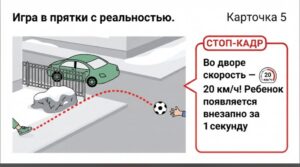
Карточка 5: Игра в прятки с реальностью

Напоминание о «слепых зонах» и необходимости снижать скорость во дворах. Ребенок может

появиться внезапно, и на принятие решения у водителя будет всего секунда.

Карточка 4: Зебра не бронежилет

Правило безопасности для пешеходов перед переходом дороги по «зебре»: сначала «снять

наушники» и «поднять голову», убедиться в безопасности, и только потом начинать движение.

Карточка 3: 60 км/ч — это не скорость, это расстояние

Иллюстрация того, как тормозной путь зависит от дорожного покрытия. На мокрой дороге он вдвое

длиннее, а в гололед увеличивается в разы, поэтому дистанцию необходимо увеличивать

соответственно.

Карточка 2: Где прячется опасность?

Напоминание о «слепых зонах» крупногабаритного транспорта. Золотое правило: если вы не видите

зеркала водителя грузовика, значит, и водитель не видит вас

Велосипед -мой друг!Соблюдаем правила дорожного движения!

Велосипед -это друг для всех детей!Но важно знать,что детям до 14 лет нельзя выезжать на проезжую часть, а потому правила езды на велосипеде для школьников распространяются лишь на велосипедные дорожки и пешеходные зоны.

Дети до 7 лет должны быть всегда под присмотром взрослых. Также стоит обзавестись экипировкой: шлемом, налокотниками и наколенниками.

В целях безопасности необходимо соблюдать следующие правила:

· не рекомендуется слушать музыку через наушники во время движения;

· нельзя разгоняться в местах большого скопления людей;

· необходимо подавать звуковые сигналы с помощью звонка, чтобы предупредить пешеходов о маневре;

· нужно объезжать ямы, трещины, лужи, стекла и камни;

· нельзя съезжать с тротуаров на проезжую часть;

· нельзя отпускать руль во время движения;

· не стоит переключать внимание на посторонние вещи, необходимо сосредоточиться на управлении велосипедом.

Детям до 7 лет разрешено кататься исключительно по тротуару, после 7 лет юные велосипедисты могут перемещаться по специальным дорожкам, но в присутствии родителей. Перед первой поездкой нужно изучить правила езды для детей:

1. Школьник должен уступать дорогу прохожим.

2. Нельзя снимать руки с руля, ноги с педалей, а также перевозить пассажиров на велосипеде.

3. Перед каждым использованием велосипед нужно осматривать с целью своевременного выявления неисправностей.

4. При движении необходимо соблюдать дистанцию, уметь объезжать прохожих.

5. Перед каждой поездкой нужно надевать защитную экипировку.

Школьнику понадобится звонок, фара или фонарик.

Шлем для ребенка нужно подбирать по размеру  головы.

Нельзя допускать, чтобы он сползал на глаза. Лучше всего приобрести яркий шлем со светоотражателями. Это обеспечит видимость для всех участников движения даже в сумерки. Шлем также может быть с фонариком.

Кисти, локти и колени должны быть защищены специальной экипировкой – перчатками, наколенниками и налокотниками.

Одежду  нужно одевать легкую и дышащую, чтобы во время катания не перегреться.

Недопустимо крутить педали в слишком длинных или широких штанах, их наматывание на цепь приведет к падению. Также необходимо  использование световозвращающих элементов на одежде.

Обувь должна быть удобной, хорошо держаться на ногах.

Все маленькие велосипедисты должны выучить правила дорожного движения, а для катания использовать безопасные места, а также соблюдать скоростной режим во время езды. При этом родители обязаны находиться рядом, контролировать своих детей.


Правила дорожного движения.

Правила для юного пешехода!

1. Ходи по тротуарам, только с правой стороны.
2. Переходи улицу по пешеходному переходу.
3. Переходи улицу на зеленый сигнал светофора.
4. На красный и желтый сигнал светофора нельзя переходить улицу.
5. При переходе дороги посмотри, нет ли опасности, нет ли рядом машин.
6. Нельзя обходить стоящий автобус – это опасно. Подожди пока автобус отъедет от остановки.
7. При переходе улицы посмотрите сначала налево, дойди до середины, потом посмотри направо и продолжи путь.
8. Если переходишь дорогу с малышом, крепко держи его за запястье руки.
9. Никогда не перебегай дорогу перед близко идущим автомобилем.
10.За городом нужно идти по обочине, навстречу транспортному потоку.
11.Нельзя переходить дорогу в наушниках.
Помните,что твоя жизнь и безопасность на дорогах зависит, прежде всего,от тебя!

Сказка о наушниках и рельсах

Жила-была девочка Алиса, которая больше всего на свете любила музыку. Однажды родители подарили ей большие, красивые беспроводные наушники. Алиса назвала их Звуками и почти никогда не снимала.Звуки умели творить настоящее волшебство. Стоило Алисе надеть их, как весь окружающий мир исчезал. Пропадал шум машин, разговоры прохожих и даже лай собак. Оставалась только любимая музыка, под которую так приятно было мечтать и танцевать на ходу. Наушники очень гордились своей силой. «Мы дарим Алисе целый мир!» — хвастались они.Но был у Алисы один неизменный маршрут — каждый день она ходила в школу через железную дорогу. Там, на переезде, жили два стальных брата — Рельсы. Они лежали параллельно друг другу и выполняли очень важную, тяжелую работу: держали на себе огромные, тяжелые поезда.Рельсы были мудрыми и знали главное правило безопасности: поезд невозможно остановить мгновенно. Из-за своего огромного веса он мчится с бешеной скоростью и после нажатия на тормоза катится вперед еще целый километр.В один солнечный осенний день Алиса шла из школы. В её наушниках на полной громкости гремел веселый трек. Алиса смотрела в экран телефона, выбирая следующую песню, и подошла к переезду.В этот момент рельсы начали мелко дрожать.— Внимание! — загудели Рельсы. — Поезд близко! Опасность!И действительно, из-за поворота на огромной скорости вылетел тяжелый товарный состав. Машинист поезда издалека заметил девочку, которая шла прямо к путям, не поднимая головы. Он со всей силы нажал на экстренный тормоз и включил оглушительную сирену. Огромный локомотив закричал на всю округу:— ТУ-ТУ-У-У-У-У! Отойди! Торможу!Звук был настолько громким, что птицы с криком взлетели с деревьев, а прохожие на улице обернулись и замерли от ужаса. Все всё слышали. Кроме Алисы.В её ушах наушники Звуки изо всех сил старались угодить хозяйке. Они плотно прижимались к её голове и пели: «Ла-ла-ла, отличный день!». Они полностью заблокировали страшный грохот приближающегося поезда и отчаянный крик сирены.Алиса сделала шаг и наступила на первую рельсу.Рельсы под её ногами буквально закричали от страха. Они передали мощную вибрацию прямо через подошву её кроссовок. И этот резкий толчок снизу, похожий на землетрясение, наконец испугал Алису. Она оторвала взгляд от телефона, подняла глаза и увидела прямо перед собой гигантскую стальную стену несущегося поезда.В ужасе Алиса отпрянула назад и упала на траву. В ту же секунду мимо неё с диким шумом, обдав сильным ветром, пронесся состав. Воздушный поток был такой силы, что сорвал с её головы наушники и бросил их прямо под колеса. Раздался короткий хруст — и красивые наушники превратились в горстку пластиковых осколков.Поезд наконец остановился. Алиса сидела на земле, её сердце бешено колотилось, а по щекам текли слезы. Она осталась жива, но её любимых наушников больше не было.К ней подбежали испуганные прохожие, помогли подняться и успокоиться. Алиса посмотрела на железную дорогу. Ей показалось, что стальные Рельсы тихо, но строго сказали ей на прощание:— Железная дорога — это не место для игр и не концертный зал. Поезд не может свернуть или быстро остановиться. Когда ты подходишь к нам, снимай наушники и прячь телефон. Твои уши и глаза должны охранять твою жизнь.С тех пор Алиса купила новые наушники. Но теперь у неё появилось железное правило. Как только впереди показывался знак железнодорожного переезда, она выключала музыку, снимала наушники на шею и убирала телефон в карман. Она внимательно смотрела по сторонам, слушала тишину и только убедившись, что пути свободны, аккуратно переходила дорогу. Ведь ни одна, даже самая красивая песня в мире, не стоит человеческой жизни.